

On Finding Vintage

Once upon a time, not so very long ago, people made things slowly. A single chair may have taken an entire winter of carving by a fire. A coat with a thousand stitches. A knife passing through the hands of three different craftsmen.
The remnants of that time tell of makers that knew users. Of users that knew makers. Things were not perfect. The world spun.
Then, people made things faster, a little. Machines were built to make things. Artisans gave way to designers. Makers dwindled, machine workers thrived. Newspapers, radios, and televisions sang the praises of the new things.
Makers knew of users. Users knew of makers. Things were not perfect. The world kept on spinning.
Now the machines build other machines that design, work, and copy. Copies of designs. Copies of work. Copies of copies. And now we are watched and recorded, to be fed what we'll want next. As though we don't know.
Makers and users. Users. Makers. Things are not perfect. Yet the world spins.
Like the way the wood grain wears on the back of a chair that has been slid in and out from under a table for forty years. Or the small irregular bubbles found in the foot of machine-made glass. The faded gold bands around a cup that has been hand-washed hundreds of times. The polished feel of Depression-era cast iron. The geometric notched frame that still holds an anonymous folk painting. Or the brass corners of a writing box, rubbed bare by hands we will never know.
These are the shadows of stories. The traces of memory that makers and users leave behind.
And their imperfections.
 Preview day at Dixon's Auction House in Crumpton, Maryland.
Some of these objects find their way here.
Fox & Thistle actively hunts vintage (but with soft eyes) through auctions, estate sales, and specialty shops for pieces that still hold a trace. The hand that made them, the years they were used, the eye that once cherished them, or the unnamed pull that sets our imaginations in motion.
Pieces from all over the world are gathered under the same roof for a time. Sorted, inspected, studied, polished, sometimes mended, and even used.
 Auction finds on the studio table, being sorted, studied, and listed.
Finally, the objects fill the shelves of our Vintage Bazaar. Stories and traces we’ve uncovered are noted, as the items sit and wait for kindred spirits to come along and begin another chapter together.
Collapsible content
How we source
Fox & Thistle acquires and curates objects from all over the world. We source at auctions, estate sales, and specialty shops. We hunt actively but with soft eyes, looking at what is available the way a floodlight shines across a field at night, instead of the sharp focus of a spotlight. We stay open to what is there, and closer study comes after a piece has caught our eye.
What we look for
Most of our vintage falls somewhere between twenty and one hundred years old. Antiques drift through, as do the occasional newer pieces that we think have already taken on a timeless quality.
We choose for visible history: the maker’s hand, years of use, the care of earlier owners, wear and patina. Some arrive signed and documented; others come with no name and no story. We also choose pieces that spark curiosity or imagination, whether or not we can say why.
What happens in the studio
Pieces pass through the studio for a time. They are inspected, polished, studied, and sometimes mended, then labeled and sorted for sale in our Vintage Bazaar. We value imperfections as part of an object’s story, and we do our best to note and photograph wear, flaws, and other distinctive qualities in each listing, along with what we can learn about an item’s maker, age, and origin.
After objects leave
Once a piece has sold, we carefully pack it up, ship it off, and provide a tracking number to the purchaser. Items that have found new homes are kept in Rehomed Goods: past finds, unusual offerings, and their lingering stories.


On the shelves now
-
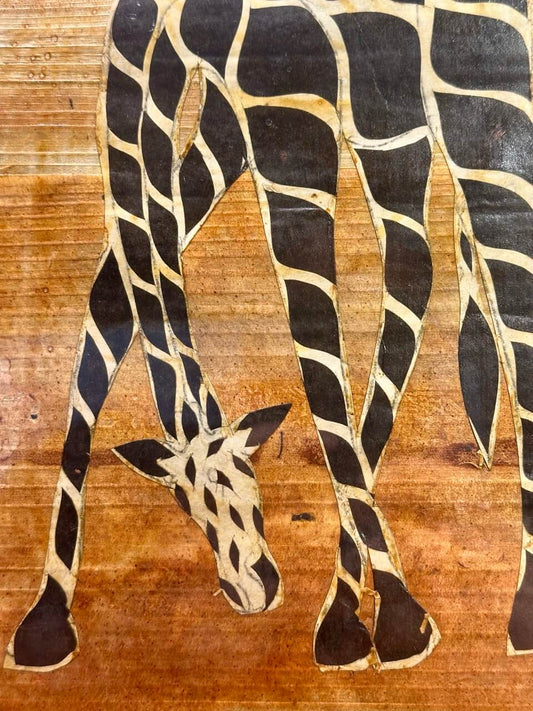
Vintage Handmade Banana Leaf Giraffe Collage Art – 9.5" x 12.5" Bamboo Frame
Regular price $42.00 USDRegular priceUnit price per -
Vintage 5-Piece MCM Genuine Teak Salad Bowl Set – Large 9.75" Serving Bowl & 4 Small Bowls (Thailand)
Regular price $55.00 USDRegular priceUnit price per -
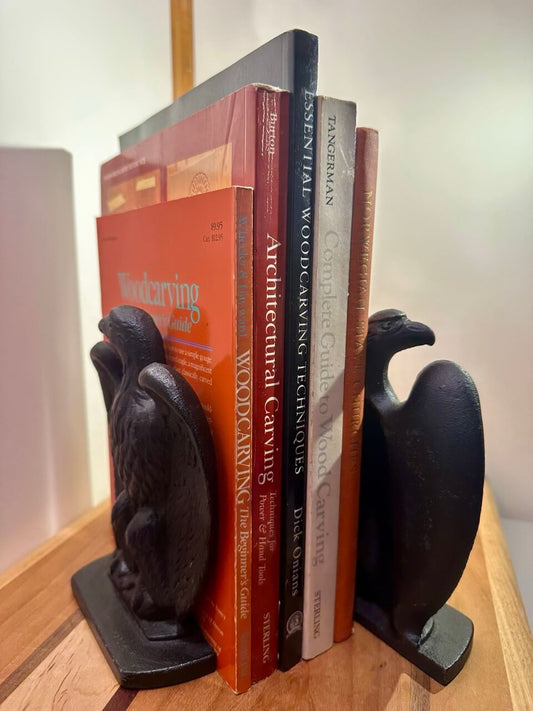
Vintage Pair of Cast Iron Federal-Style Eagle Bookends, Black, 6.75 in
Regular price $55.00 USDRegular priceUnit price per -
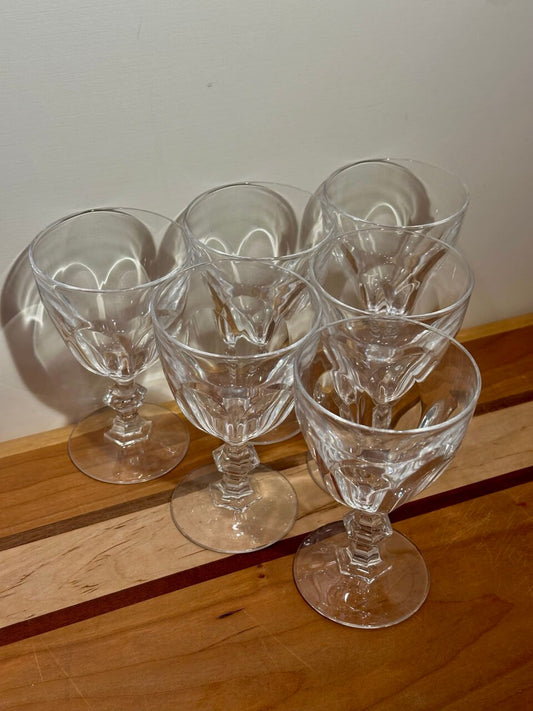
Set of 6 Vintage Cristal d'Arques Rambouillet Lead Crystal Wine Glasses – 4.75" French Stemware
Regular price $55.00 USDRegular priceUnit price per -
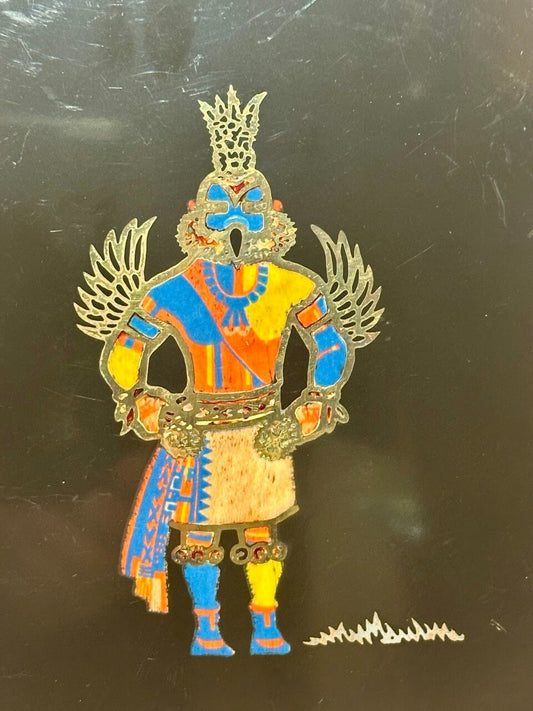
Vintage Couroc of Monterey Humming Bird Kachina Tray – 10.5" Inlaid Serving Plate
Regular price $40.00 USDRegular priceUnit price per -
Vintage Emile Henry France Brown Ceramic Casserole Dish, 9 x 7.5 in
Regular price $30.00 USDRegular priceUnit price per








Second Hand Loop
A graphic poem in the rhythm of the hunt, the hoard, and the hustle of vintage goods.
